
Exploring Tea Tourism in the Enchanting Land of India
A Journey Through India’s Hidden Tea Trails Inspired by a New Generation of Tea Travel

Introduction
Tea tourism is quietly brewing into one of the most fascinating niche travel experiences in South Asia, and India is fast becoming its beating heart. From misty mountain estates to tribal tea traditions passed down through generations, this immersive style of travel offers a taste of culture, history, and hospitality that goes well beyond the teacup.
A recently published series of travel memoirs and reportage, accompanied by personal notes from American traveler Cathy Roach, dives deep into this lush landscape. The series documents a trail through Assam, India’s tea capital, uncovering stories, flavors, and people rarely seen by the average visitor.
While the term “tea tourism” has gained traction only in recent years, pioneers such as an early initiative now loosely referred to as “Destination TeaOrb” helped shape the first wave of organized tea trail experiences in Assam. Today, new entrants are helping bring this niche experience into the mainstream, revealing just how complex and soul-stirring India’s tea belt really is.
Part I: Tribal Traditions and Tea Estates in Dibrugarh
In Assam’s upper reaches lies Dibrugarh, a verdant district that feels like a postcard from the past. With sweeping tea gardens, old-world bungalows, and tribal roots that run deep, it’s a fitting first stop for anyone chasing the story of Indian tea.
Here’s a closer look at three unique destinations: Singpho Heritage Tea, Heritage Tea Company, and Hookhmol Tea Company.
Singpho Heritage Tea: Where Tea Meets Tribal Legacy
In the remote corners of northeast India, tea is more than an industry, it’s a living tradition. Nowhere is this more evident than at Singpho Heritage Tea, a community-owned estate managed by the Singpho tribe, who are believed to have introduced tea drinking to India long before the British arrived.
Set against the backdrop of emerald hills and bamboo groves, the estate offers a truly immersive experience. Visitors can walk through ancestral forests where wild tea plants grow naturally, try their hand at leaf plucking, and even witness the roasting of leaves over open fire, a signature method that gives Singpho tea its bold, smoky character.
Evenings are often capped with cultural performances, think drumming, tribal dances, and storytelling around the fire. The experience feels more like being welcomed into a living museum than visiting a plantation.
Heritage Tea Company: A Living Archive of Assam’s Colonial Past
A short drive from Dibrugarh town, Heritage Tea Company invites visitors into a different kind of time capsule. Founded in the British era, the estate has retained its vintage charm, right from its bungalow-style guesthouses to the weathered factory walls still humming with the sound of withering leaves and spinning rollers.
Walking through its expansive gardens, one gets a sense of continuity, a thread that links the past to the present. Master pluckers move swiftly between rows, baskets strapped across their backs. Inside the factory, the tea-making process unfolds with quiet precision.
What sets this estate apart is its tea museum, a humble yet deeply informative space filled with tools, documents, and photographs from a bygone era. Here, guests learn how the industry took shape, what changed over the decades, and how the flavors we sip today are steeped in centuries of colonial and indigenous history.
Hookhmol Tea Company: Innovation Rooted in Family Legacy
For travelers interested in the future of tea, Hookhmol Tea Company offers a different kind of stop, one that marries age-old practices with modern-day sustainability and innovation.
Run by a new generation of tea growers, Hookhmol is all about pushing boundaries while honoring tradition. The estate offers curated tours that go beyond basic plucking and processing, think soil education, composting practices, artisanal tea blending workshops, and even conversations about climate impact on tea yields.
One of the highlights here is the tea tasting pavilion, perched on a gentle slope overlooking the estate. From classic Assam briskness to herbal fusions and experimental smoky greens, each tea tells a story, and many of them are stories still being written.
What Makes Dibrugarh a Must-Visit?
Cultural immersion: Tribes like the Singpho open up a world rarely seen in mainstream tourism.
Historical significance: Estates that once supplied tea to British royals now welcome global travelers.
Sustainability in action: New-age companies like Hookhmol are showing what the next chapter of tea could look like.
“It’s not just about drinking tea, it’s about walking the land, meeting the growers, and understanding what a cup really represents,” writes Cathy Roach in her travel notes.
Part II: Education, Retreats, and the Quiet Side of Assam’s Tea Belt
Not all tea experiences in Assam revolve around vast estates or bustling factories. Some of the most meaningful connections to tea are found in places of learning, quiet bungalows tucked into remote gardens, or simply in a shared cup with a local grower. As our journey moves west from Dibrugarh, we enter a gentler stretch of Assam’s tea landscape, where introspection and learning take the lead.
Here we explore three special stops: Assam Agricultural University, Haroocharai Tea Estate, and Puroni Bheti Guest House.
Assam Agricultural University: The Future of Tea Is Being Grown Here
While tea tourism often highlights the beauty of gardens and the charm of old factories, it rarely sheds light on where the science happens. Assam Agricultural University (AAU), based in Jorhat, flips that script.
The university is a quiet powerhouse when it comes to tea research. Here, agronomists, food scientists, and botanists work behind the scenes to enhance not just the quality of tea, but its sustainability, disease resistance, and market value. It's where tradition meets data, and where the next generation of tea experts are trained.
Visitors with an interest in agriculture or sustainability will find the guided sessions incredibly insightful. From labs filled with experimental soil samples to tasting rooms where new cultivars are tested, AAU’s programs are helping redefine what it means to grow tea in a changing climate.
“It’s the intellectual core of Assam’s tea ecosystem,” says Roach. “You can taste the past in most estates, but at AAU, you glimpse the future.”
Haroocharai Tea Estate: A Slow Afternoon in the Hills
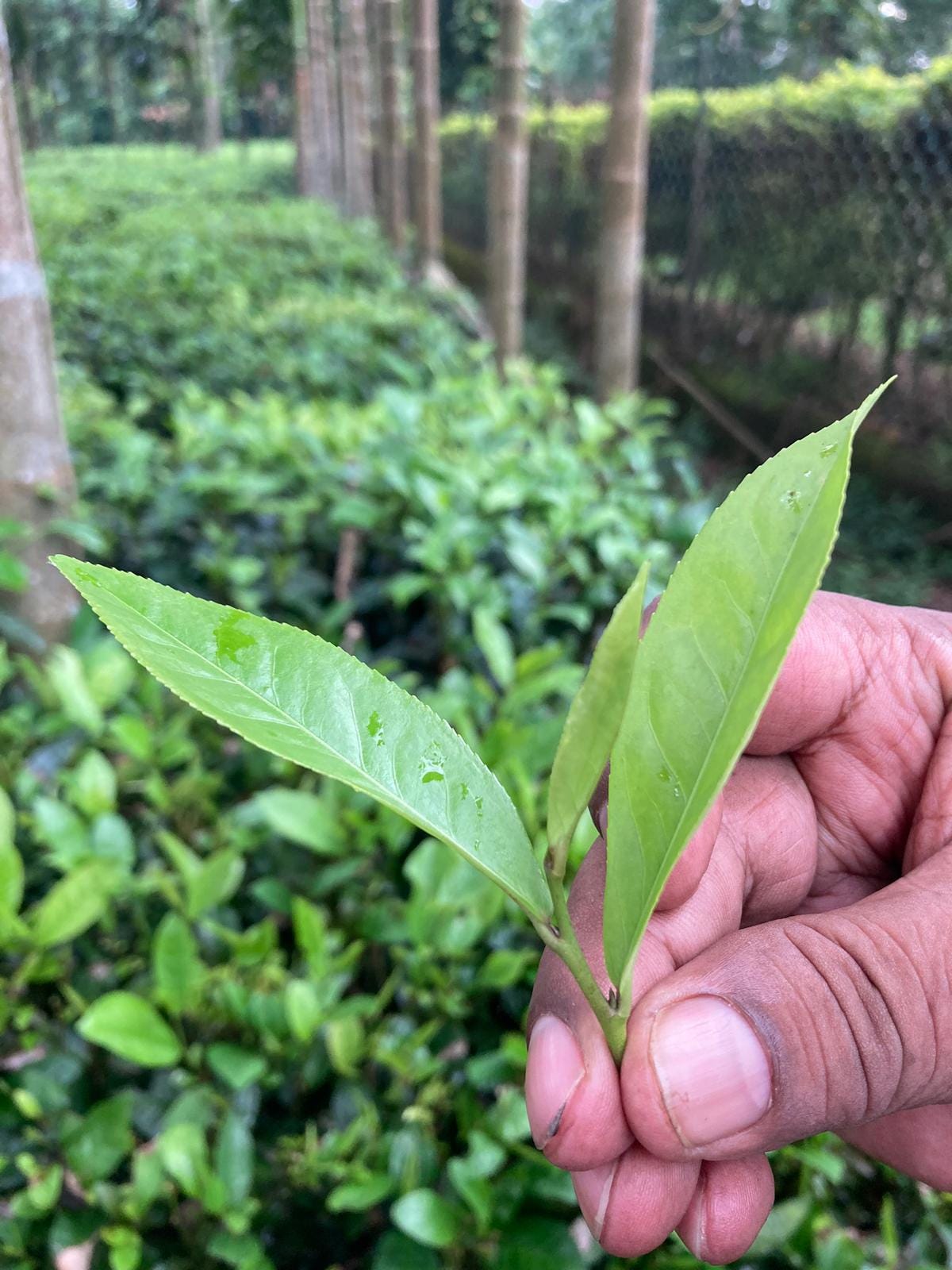
Tucked into the lush hills outside Jorhat, Haroocharai Tea Estate feels like a storybook setting. A canopy of century-old trees frames the winding path into the property, which opens up to a sea of tea bushes rolling toward the horizon. It’s the kind of place that invites silence, and perhaps a second cup.
Unlike the more industrial estates, Haroocharai isn’t about scale or speed. The experience here is curated for peace. Visitors are welcome to join morning garden walks, observe the rhythm of hand-plucking, or sit down with pluckers for candid conversations about their daily lives. If you’re lucky, you might be invited into the bungalow’s verandah for fresh pakoras and locally brewed oolong.
This is slow tea, in every sense of the word.
Puroni Bheti Guest House: Hospitality, the Old-Fashioned Way
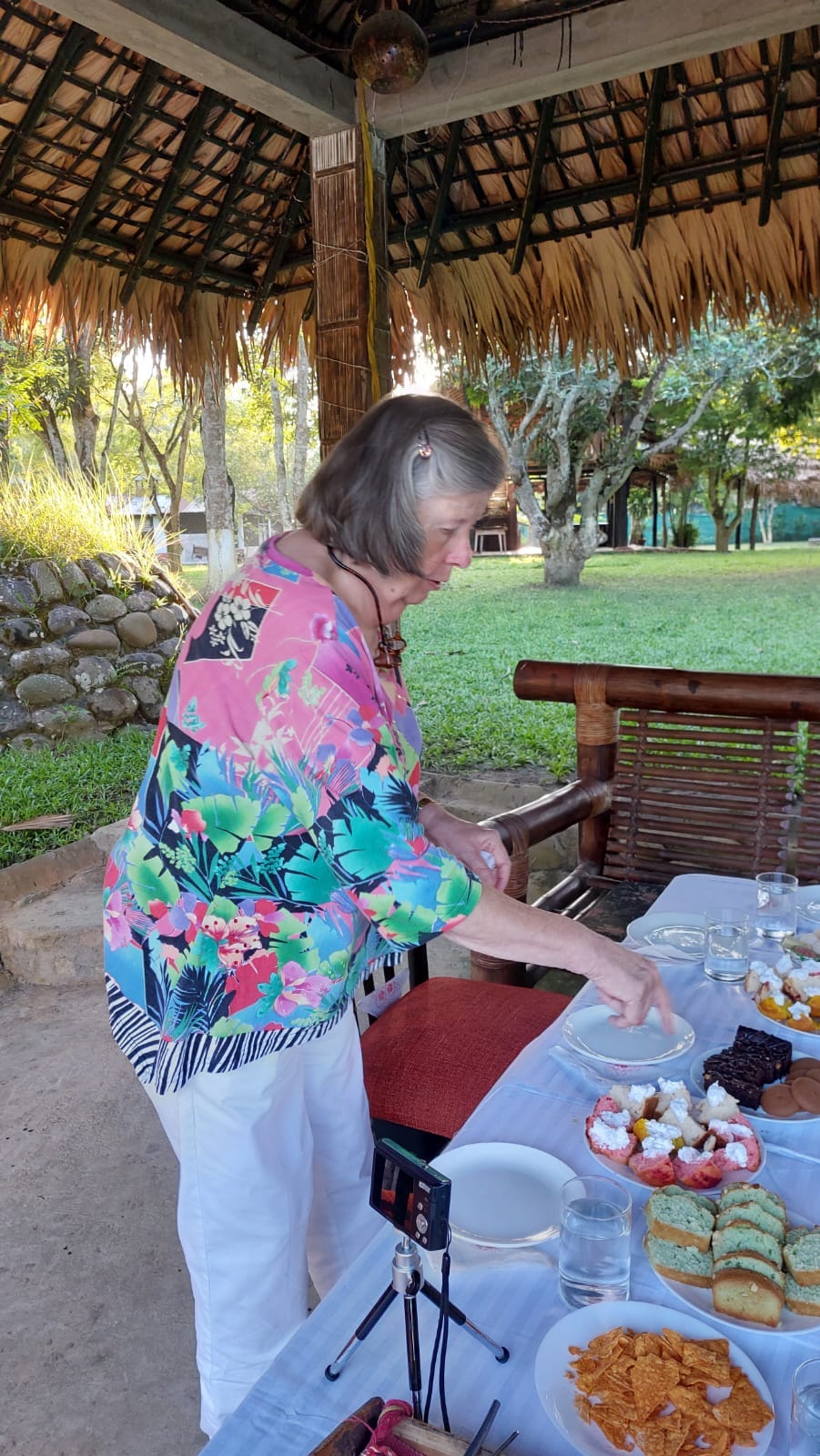
If Haroocharai is the heart, Puroni Bheti Guest House is the soul of this region’s tea experience. Run by a local family, this guesthouse sits nestled between two working tea gardens, offering travelers a rare blend of rural tranquility and warm, almost familial hospitality.
The house itself is modest, bamboo walls, high ceilings, and wide verandahs, but its magic lies in the way it brings people together. Guests often dine communally, swapping stories of their travels over plates of homemade Assamese thalis. In the mornings, staff serve tea on the porch, always with a smile and sometimes with a quiet anecdote about the day's leaf.
The owners occasionally organize cultural evenings, think folk songs, storytelling, or even cooking demonstrations using herbs grown in the back garden. It’s not a resort, and it doesn't pretend to be. That’s exactly why travelers fall in love with it.
Why This Part of Assam Matters for Tea Lovers
Holistic learning: AAU showcases the research and science that often gets left out of tea tours.
Mindful travel: Haroocharai invites visitors to slow down and reconnect with the land.
True hospitality: Puroni Bheti delivers more than just a bed, it offers belonging.
“Sometimes the most memorable tea moments don’t happen in factories or tastings, they happen at the breakfast table with someone who just poured you their best cup,” Cathy writes.
Part III: Behind the Scenes in Guwahati — Where Assam’s Tea Trade Comes Alive
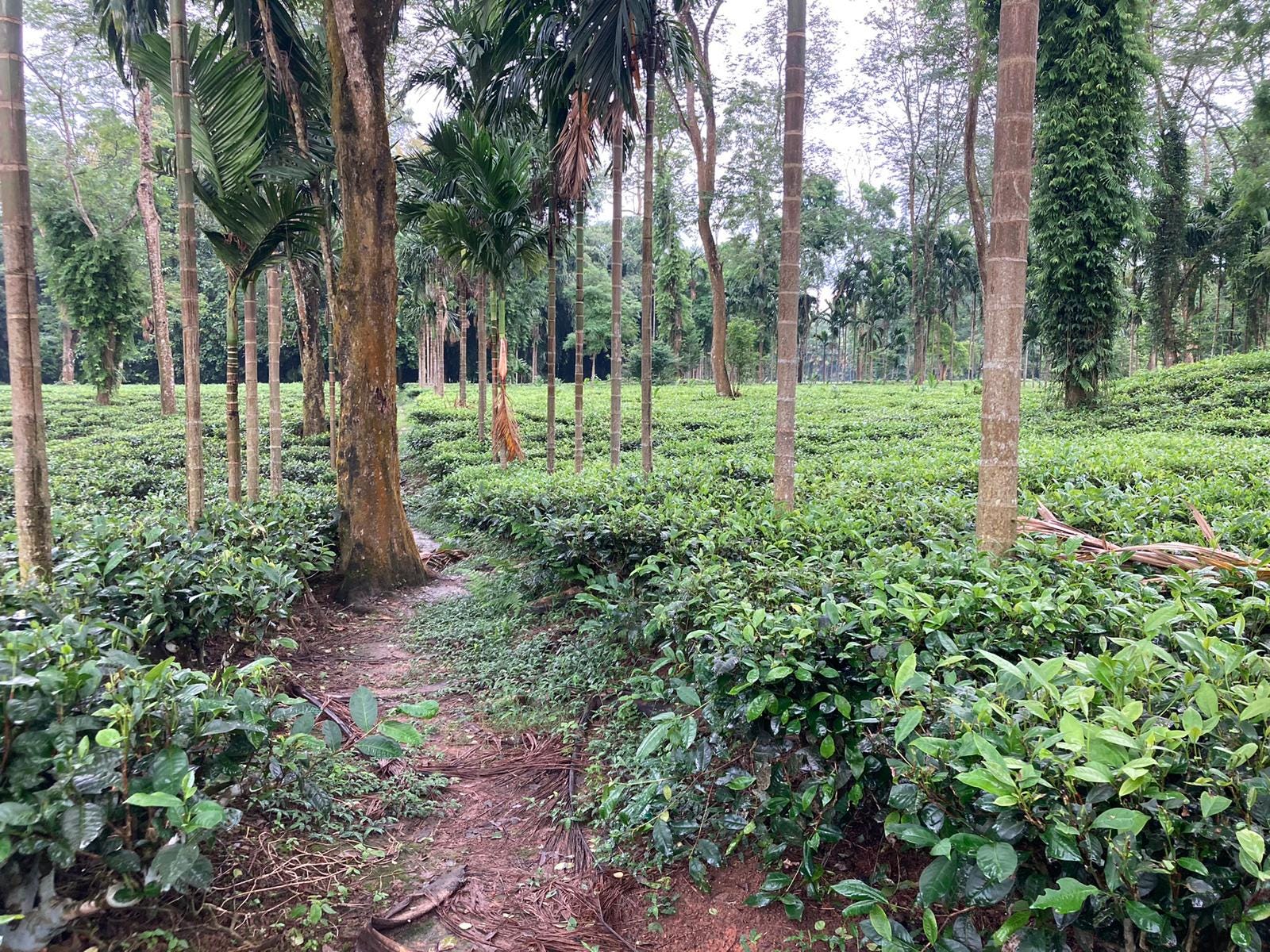
As the trail winds west toward Assam’s largest city, Guwahati, the landscape begins to shift. The misty hills and quiet plantations give way to warehouses, auction rooms, and blending labs, where the true engine of the tea industry hums. If the tea gardens of Dibrugarh and Jorhat are where tea is born, Guwahati is where it finds its place in the world.
In this final chapter, the journey takes readers through five significant stops: J Thomas & Company, Dugar Consumer Products, McLeod Russel’s Blending & Export Facility, the Guwahati Tea Auction Centre, and the adjoining GTAC Tea Lounge.
J Thomas & Company: Where Every Leaf Finds Its Price
For more than a century, J Thomas & Company has stood at the center of India’s tea economy. Based in Guwahati, this brokerage firm is the largest of its kind in the world, facilitating the sale of millions of kilos of tea annually. Yet step inside their offices, and you’ll find a quiet, almost reverent atmosphere.
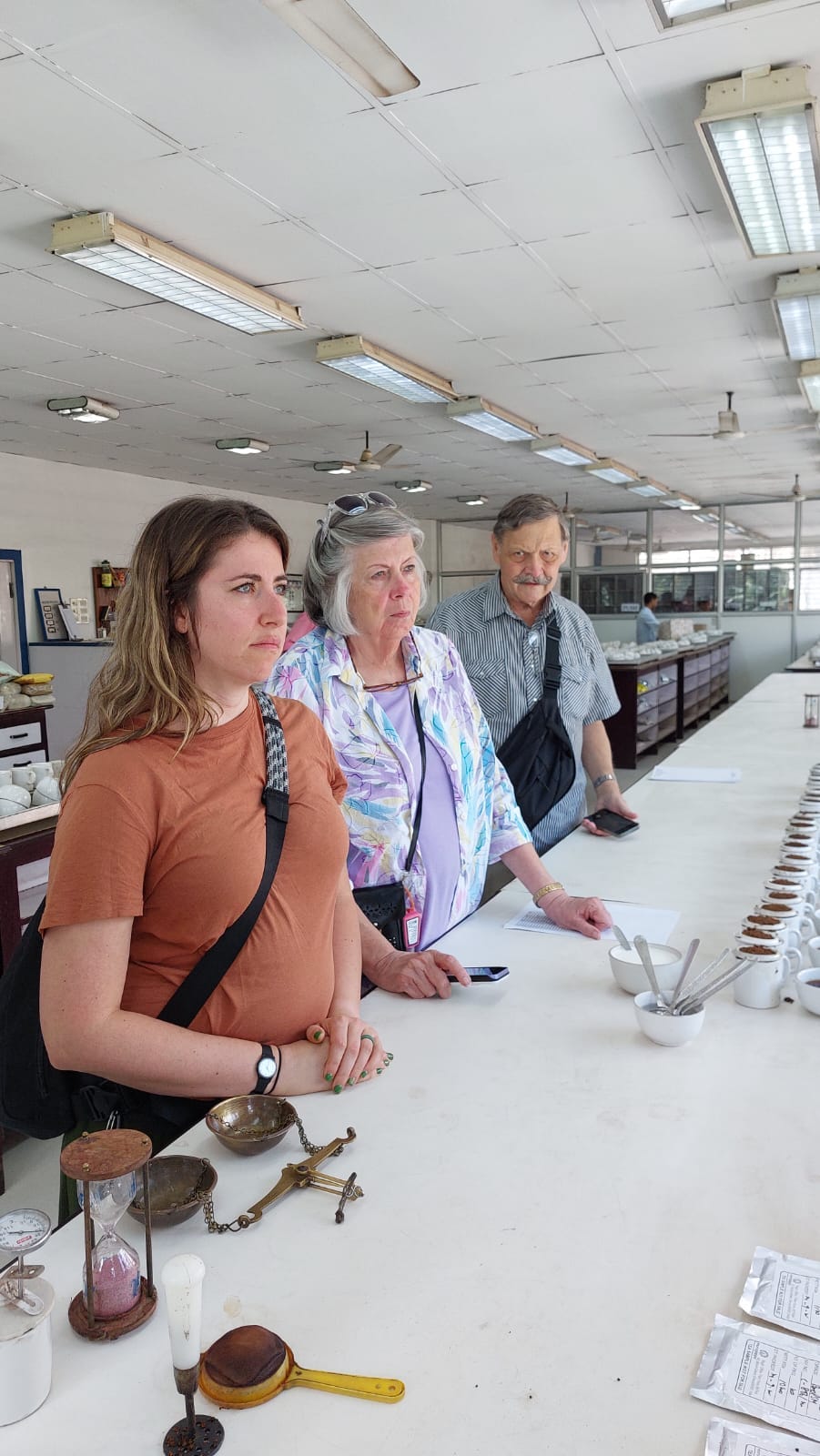
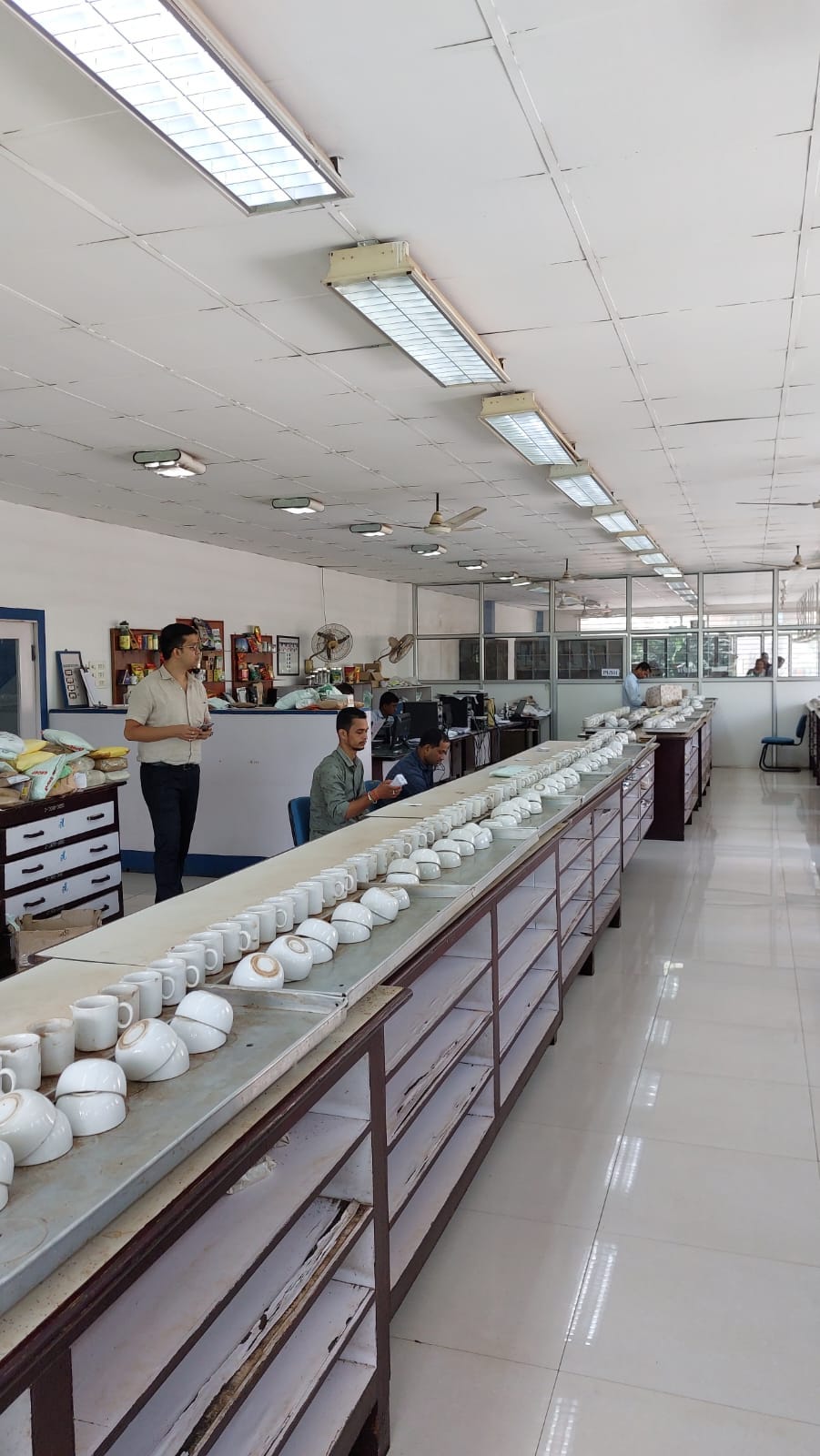
Here, seasoned tea tasters swirl, slurp, and assess samples from across the region. Dozens of cups line long tables, each marked with a lot number and estate name. To the untrained eye, they may all look alike. But for these experts, a single sip tells a story of weather, soil, cultivar, and care.
Visitors are often surprised by how analog it all feels, no flashy tech, just human intuition and deep knowledge. Yet this is where the market is made, and where countless estates depend on fair representation.
“It’s like Sotheby’s for tea,” Roach observes. “Except the auctioneer wears an apron and sips from a spoon.”
Dugar Consumer Products: Reimagining What Tea Can Be
In contrast to J Thomas’s old-world charm, Dugar Consumer Products offers a glimpse into the future of how tea is consumed. This newer player in the Assamese tea scene has made waves for its bold approach to flavor, packaging, and audience.
Their facility in Guwahati feels more like a craft brewery than a tea company, clean lines, bright design, and a strong emphasis on storytelling. Inside, small-batch teas are infused with botanicals, smoked over native woods, or blended with wild herbs foraged from nearby hills.
Visitors can participate in DIY blending workshops, where they mix and match their own tea blends guided by in-house experts. For travelers who see tea as both beverage and art form, this stop is a must.
McLeod Russel Blending Facility and Inland Container Depot: Garden to Global
If J Thomas and Dugar represent the future of tea, McLeod Russel’s Guwahati facility showcases its scale. One of the world’s largest tea producers, McLeod Russel owns dozens of estates and exports tea to nearly every continent.
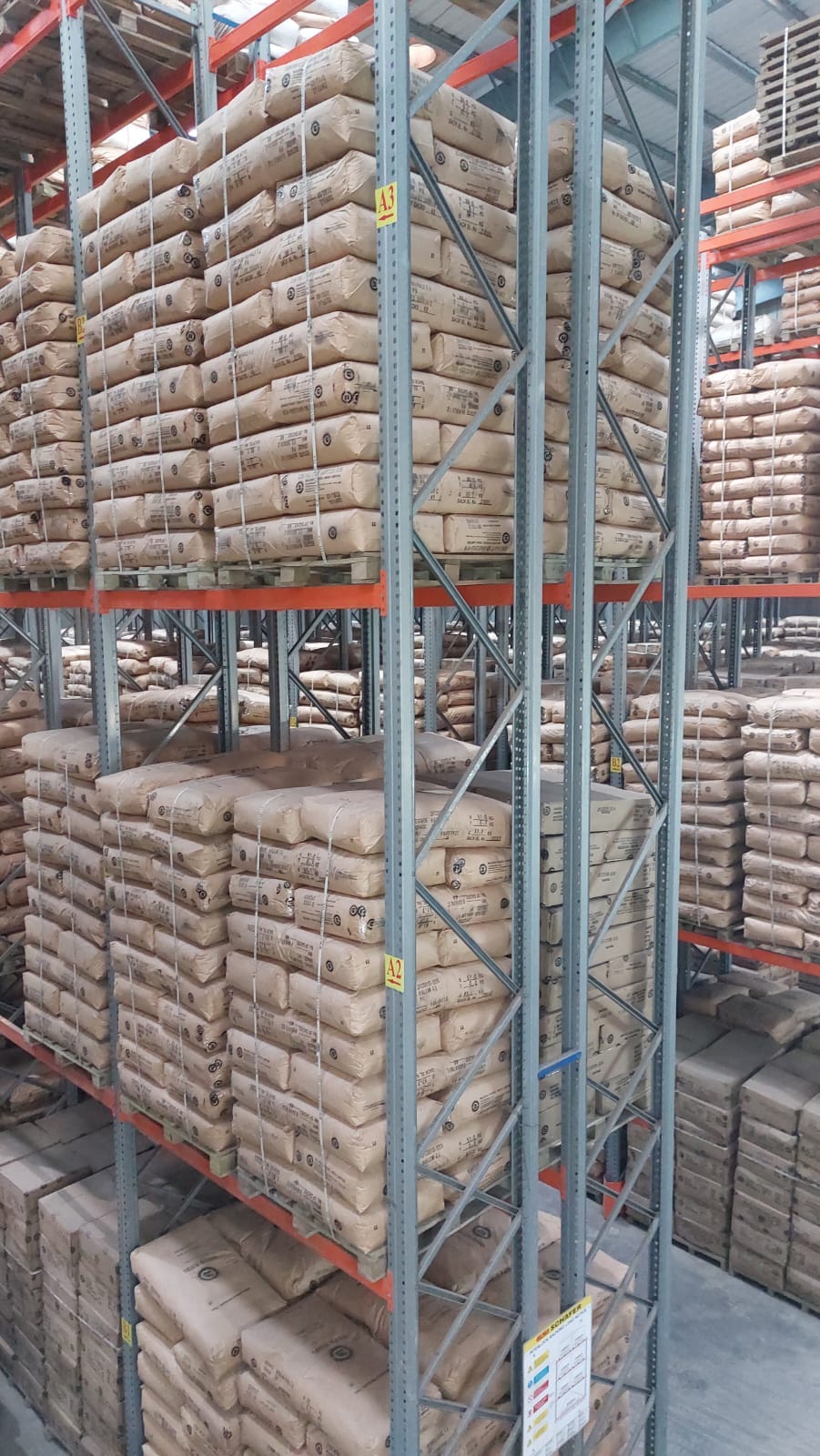
Their blending and packing hub, located near Guwahati’s Inland Container Depot, is an impressive feat of logistics. Industrial-sized drums tumble with black leaf as graders sort, test, and standardize taste for consistency. Forklifts move crate after crate toward waiting freight containers bound for ports.
What’s striking isn’t just the size, but the precision. Every bag, every box, is tracked to ensure freshness from garden to shelf, whether that shelf is in Kolkata, London, or Tokyo.
“It’s the heartbeat of an export economy that’s invisible to most,” Roach writes. “And it’s all fueled by leaves that started in a bamboo basket on someone’s back.”
Guwahati Tea Auction Centre (GTAC): The World’s Busiest Tea Market
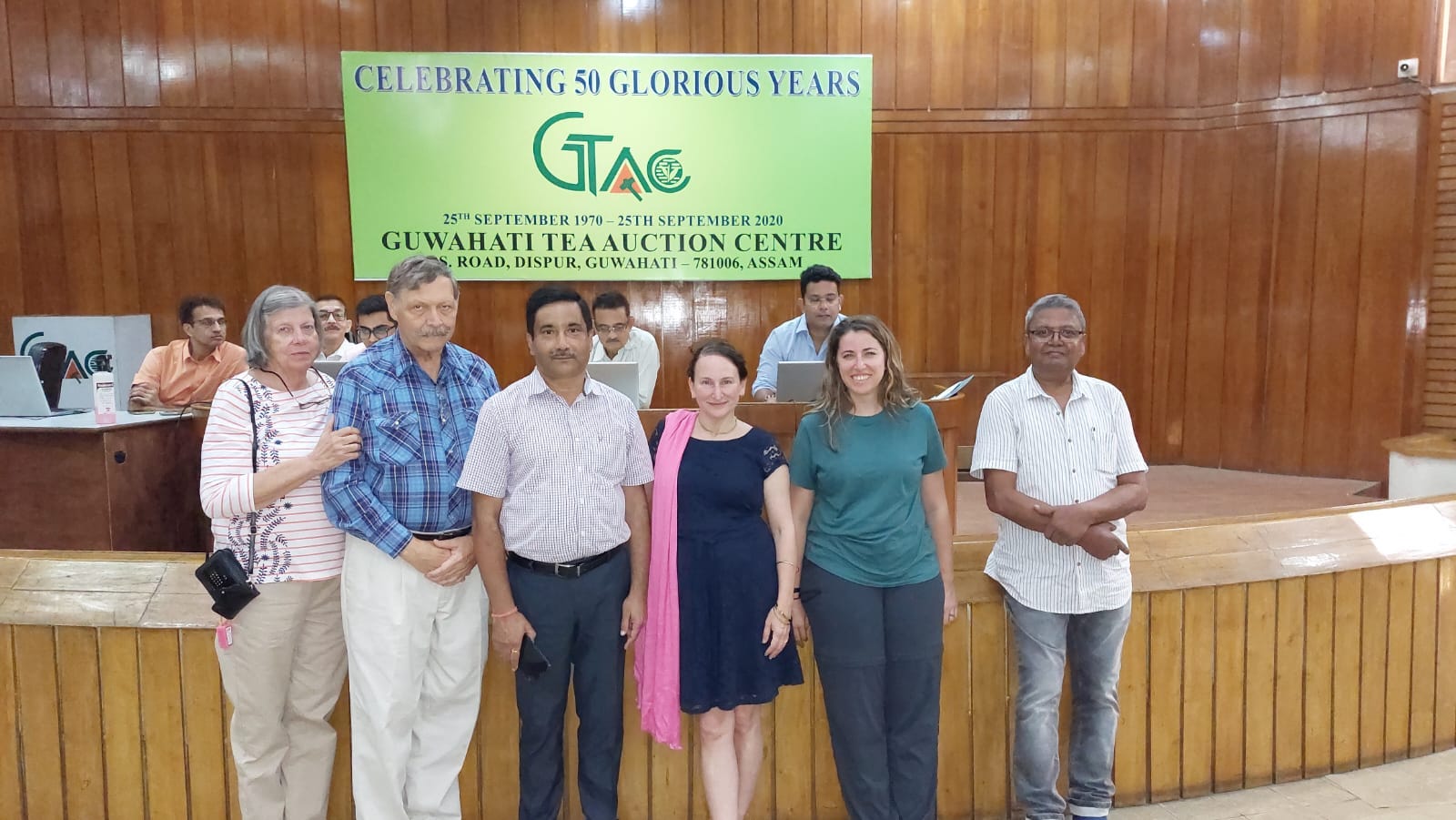
GTAC, or the Guwahati Tea Auction Centre, is where the pulse of Assam’s tea trade can be felt loudest. It’s the largest CTC (crush-tear-curl) tea auction center in the world, and during peak season, the activity here borders on frenzied.
Buyers and brokers file into auction rooms as lots are called out. Prices rise and fall in real-time, driven by demand, seasonality, and even politics. The experience is part theater, part economics, and all business.
For visitors, GTAC offers something rare: a look at the full commercial lifecycle of tea. From field to flavor to finance, it’s all on display here.
GTAC Tea Lounge: A Pause Between Bids
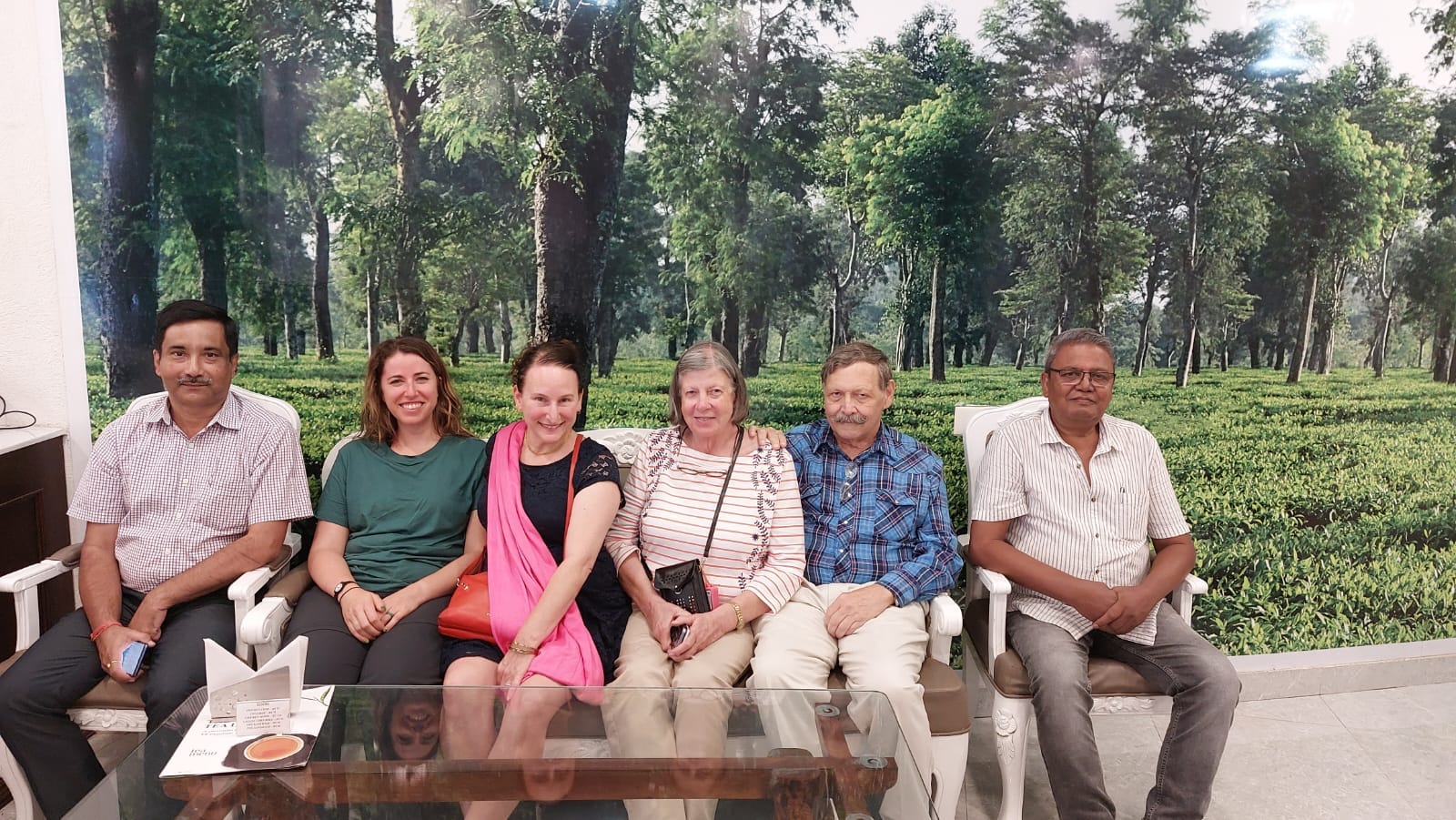
Just next door, in stark contrast to the fast-paced auction floor, sits the GTAC Tea Lounge, a calming space curated for quiet sips and reflection.
Here, visitors can sample award-winning teas, many of which were just auctioned across the hallway. The lounge offers a rotating selection that celebrates Assam’s finest, from malty morning brews to delicate second flushes. It’s a place where auctioneers, planters, and travelers often sit side by side, unwinding with a cup that might soon be on grocery shelves halfway across the world.
Why Guwahati Is More Than Just a Gateway
Marketplace of legacy: Institutions like J Thomas keep the history of Assam’s tea trade alive.
Innovation hub: Brands like Dugar are reshaping how younger generations experience tea.
Global scale: McLeod Russel’s export facilities show just how far a single leaf can travel.
Immersive energy: GTAC puts you in the middle of it all, auction paddles, cupping spoons, and conversations.
“If Dibrugarh is the origin story, and Jorhat the quiet soul, then Guwahati is where the plot thickens,” writes Roach. “Here, tea becomes trade, taste becomes brand, and stories are bottled into every bag.”
Final Thoughts: Tea Tourism in Assam Is Just Getting Started
As Cathy Roach’s tea trail winds to a close, one thing becomes clear: Assam is not just a place where tea grows. It’s a living, breathing world built around it. From tribal farms to tech-savvy blenders, and from bungalow stays to bustling auctions, every cup poured here holds more than flavor, it holds history, identity, and ambition.
And while tea tourism is still carving its space on the travel map, early pioneers have laid the groundwork. New entrants, inspired by that initial spark, are making Assam more accessible to travelers who seek stories over selfies.
So whether you're a tea sommelier or just someone who enjoys a cozy cup on a rainy morning, Assam has something waiting for you.
The question is: Are you ready to follow the leaf?